September 29, 2026
Protein Chocolate: How to Balance protein, flavor and texture
Protein has become an increasingly important consumer trend, driven by people looking to incorporate more of this nutrient into different moments throughout their day.
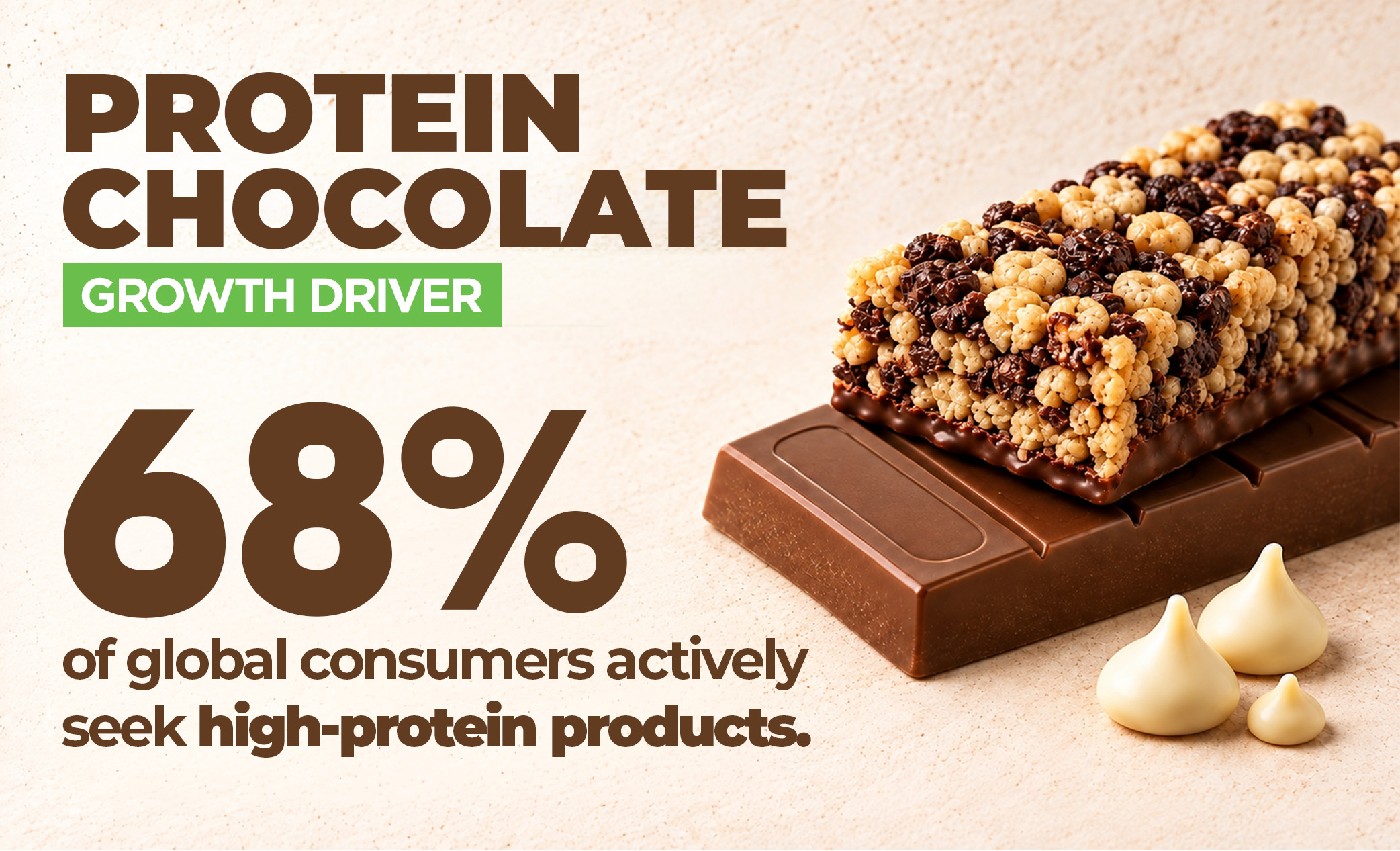
68% of consumers in the United States are looking to increase their protein intake, a trend that continues to create opportunities for new product development within the snack category. (Source: Innova Market Insights, 2026).
What makes a protein chocolate successful?
A successful protein chocolate combines nutritional benefits with an appealing sensory experience.
Protein can influence key attributes such as texture, flavor, and mouthfeel. For this reason, a well-developed formulation aims to achieve the right balance between ingredients while preserving the qualities consumers expect from chocolate.
The goal is to create an enjoyable chocolate experience while incorporating protein in a balanced and effective way.
Formulation challenges
Developing protein chocolate requires precision at every stage of formulation. The choice of protein source, the level of incorporation, and its interaction with other ingredients can significantly influence the characteristics of the final product.
Each formulation therefore needs to be tailored to the specific application and desired product attributes. A chocolate bar, a filled chocolate, and chocolate chips for bakery applications all have different structures, processing requirements, and eating experiences, so the formulation must be adapted accordingly.
Key attributes to consider when incorporating protein include:
- Flavor: developing a pleasant and well-balanced flavor profile.
- Texture: achieving the right mouthfeel for each application.
- Processability: ensuring the formulation performs effectively under the required production conditions.
- Structure and application: adapting the formulation to the product format, intended use, and specific product characteristics.
- Consumer experience: combining nutritional and functional goals with an appealing chocolate experience.
This approach makes it possible to develop solutions for different applications, combining functionality, sensory performance, and differentiated product characteristics with potential across a range of markets.
From concept to product: different formats for protein chocolate
Once the right balance between protein, flavor, and texture has been defined, there are several ways to bring the concept to market:
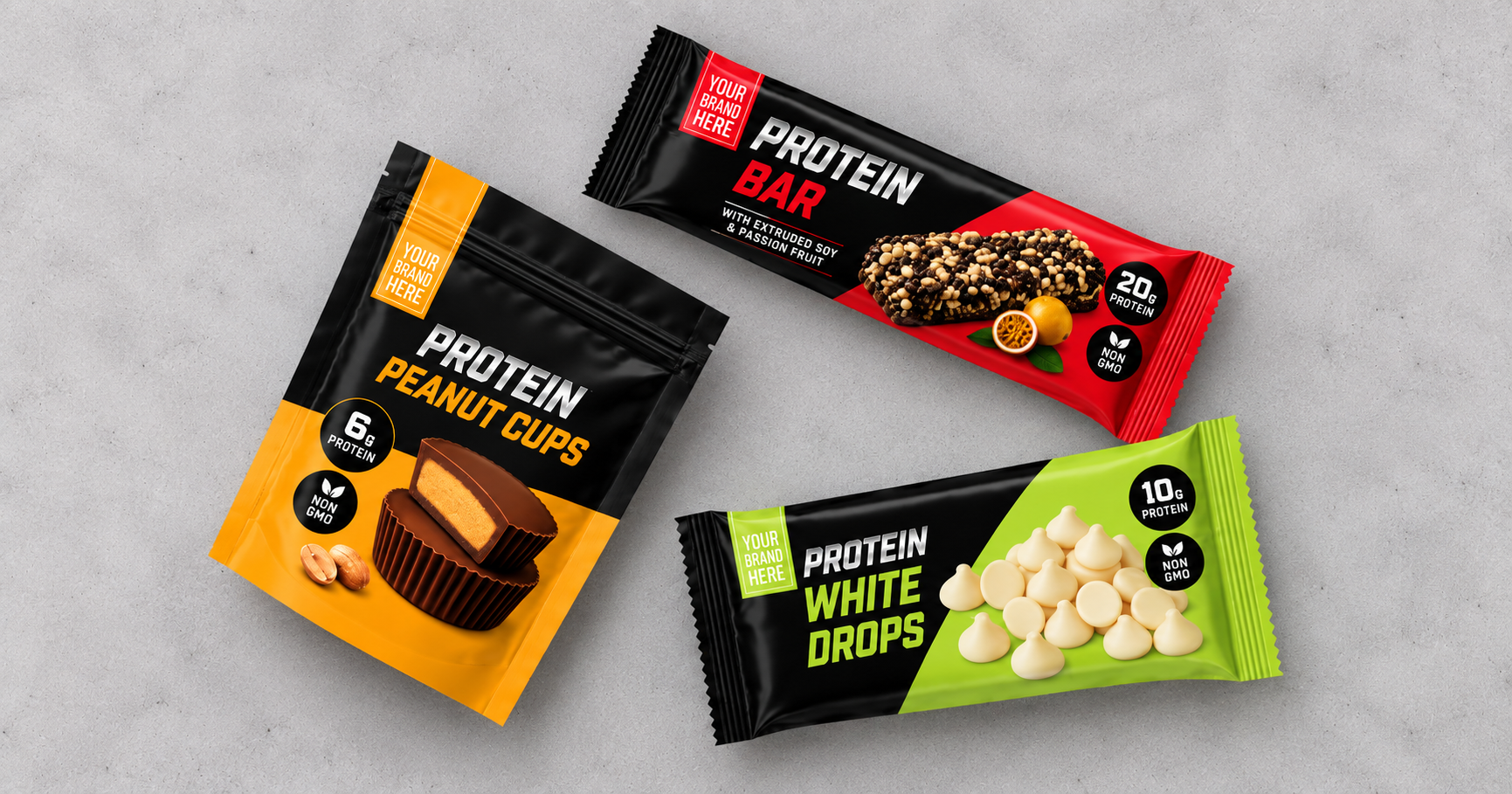
- Bars: One of the most established formats in protein chocolate, ideal for developing practical, portable snacks that suit different consumption occasions.
- Cups: These combine a chocolate coating with a smooth, creamy filling that can incorporate protein to enhance the formulation.
- Cereal bars: These combine cereals, protein, and other ingredients in a familiar product format, offering multiple possibilities for flavor and composition.
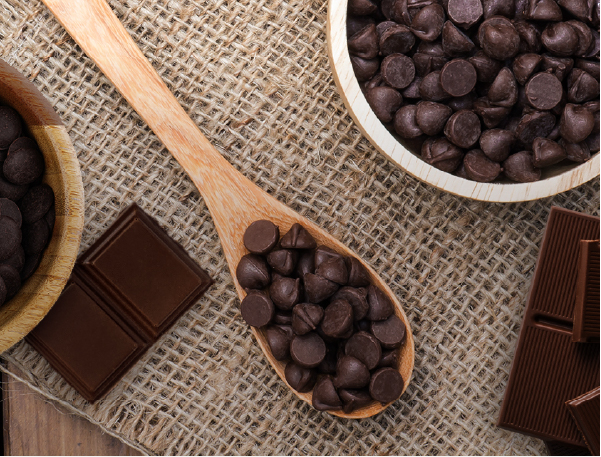
- Chocolate chips: These work both as a finished product and as an ingredient for cookies, muffins, granola, and other baked goods.
- Truffles: These offer a premium profile, combining creamy fillings and varied flavors with added protein.
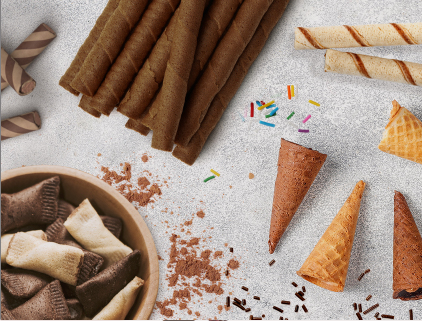
- Wafers: Their light, crispy structure allows brands to create snacks and confectionery products with different combinations of coatings and fillings.
Each format offers specific development opportunities. The formulation can be adapted to the needs of each application to create protein chocolate solutions with distinct characteristics.
The balance that turns a trend into a product
The growing interest in protein creates new opportunities for brands and opens space for propositions that combine functionality, indulgence, and innovation.
Protein, texture, and taste work together to create products that respond to consumer needs while delivering an appealing chocolate experience.
At Machu Picchu Foods, we develop protein chocolate solutions adapted to different formulations, applications, and formats, working alongside each brand to turn their ideas into product propositions.
& NEWS