


April 20, 2026
Protein chocolate: formats and private label
The protein snacks market continues to grow — and the data confirms it: nearly 60% of global consumers actively seek protein in their snacks — and chocolate is becoming the preferred format to find it. (Source: Innova Market Insights, 2025)
For B2B brands looking to enter the functional food segment, this is not a trend to watch from the sidelines — it’s a category already reshaping retail shelves globally, and the window to build a differentiated portfolio is open right now.
At Machu Picchu Foods we don’t just manufacture — we study the market alongside our clients. Our team continuously monitors consumer behavior, purchasing patterns, and format preferences, so that every product we develop for our clients globally is backed by real demand. That knowledge is part of what we bring to every partnership.
What makes a chocolate protein chocolate?
To make a valid protein content claim, the product must achieve a minimum of 12% protein.
Within this trend, brands select protein sources based on their target audience, positioning, and application:
- Pea Protein
- Whey Protein
- Soy Protein
A well-accepted plant-based source, with friendly digestion and a strong functional profile for plant-based and dairy-free applications. In chocolate, it enables proposals aligned with sustainability, clean label, and wellness trends.
Known for its high biological value and rapid amino acid availability, making it a key option for products focused on sport, performance, and recovery.
A complete and versatile protein for dairy-free formulations. In chocolate, it offers strong technological performance and consistent structure, making it a plant-based alternative with solid nutritional backing.
Explore our formats
At Machu Picchu Foods we develop protein chocolate in four formats, designed for different consumption occasions and market positionings:
- Chocolate cups: an indulgent snack format, ideal for controlled portions and on-the-go consumption.
- Filled bars: high-protein solutions with functional fillings, aligned with the fitness and meal-replacement snack channel.
- Chocolate truffles: a more indulgent profile proposal, focused on a premium sensory experience with a functional component.
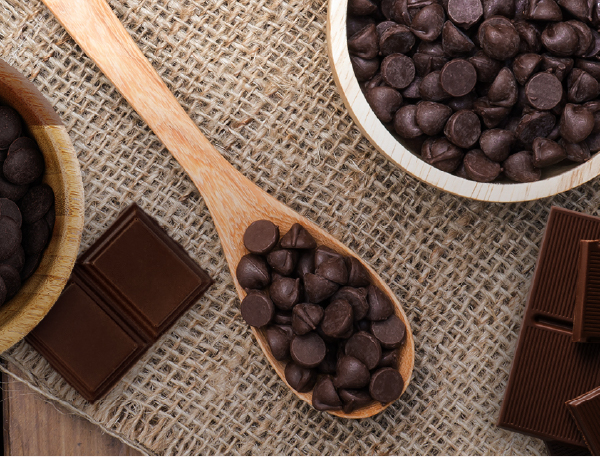
- Chocolate drops: a versatile format for baking applications, toppings, or direct consumption as a healthy snack.
These formats allow brands to adapt to different channels such as fitness, healthy retail, e-commerce, and modern trade, under private label and wholesale schemes.
The opportunity is now
Functional confectionery is consolidating as a key category within health-oriented retail environments globally. Brands that develop their protein chocolate portfolio at this stage will be better positioned to capitalize on the category’s growth.
Developing a protein chocolate line is achievable with the right strategic partner. We manage the complete development and production process, aligned to each brand’s identity, packaging, and goals.
If you’re ready to launch your protein chocolate line, contact us today.
& NEWS