

January 22, 2026
Chocolate trends 2026: indulgence, origin cocoa and technology
Chocolate in 2026 is being shaped today by a more conscious, better‑informed consumer with higher expectations. It is no longer just about flavor: the market now demands functionality, transparency, clear origin and processes capable of scaling without compromising quality.
Based on the clearest signals from the industry, these are the trends that will define the direction of chocolate this year.
1. Functional chocolate: indulgence with a purpose
Chocolate is more of an indulgent treat; it is becoming a product that supports the consumer’s lifestyle. In 2026, formulations focused on physical and emotional well‑being continue to gain relevance.
Key trends within functional chocolate:
- Dairy-Free chocolates, aligned with vegan and flexitarian diets.
- Plant-based formulations, with no animal‑derived ingredients.
- Protein chocolates, targeting active consumers.
- Products with cleaner labels and more inclusive formulations.
To achieve stability, texture and consistency in these formulations, production processes play a critical role.
2. From bean to bar: the value of this process
The bean to bar process is no longer a niche trend; it is becoming a growing market expectation. Controlling chocolate from the cocoa bean allows brands to:
- Full control over the production process.
- Consistent sensory profiles.
- Greater cocoa traceability.
- The ability to differentiate in competitive markets.
This approach is especially relevant for private label chocolate manufacturing projects, where process control is essential to develop differentiated products without the need to own production infrastructure.
In this context, the bean‑to‑bar approach is enhanced and complemented by One‑shot systems, which help carry control over origin and sensory profile through to the final product, enabling functional fillings and innovative formats without compromising consistency or the chocolate experience.
3. Origin matters: Peruvian cocoa and verifiable traceability
Traceability is no longer a value‑added feature; it has become a requirement. By 2026, brands must be able to verifiably demonstrate the origin of the cocoa they use.
Key elements of traceability:
- Clear identification of cocoa origin.
- Use of GIS monitoring technologies to track cocoa plots.
- Assessment of environmental risks, such as deforestation.
- Transparency across the entire supply chain.
This information is essential both for companies producing made‑to‑measure chocolates and those working with wholesale cocoa ingredients, particularly in regulated markets.
4. Single origin: Peruvian cocoa
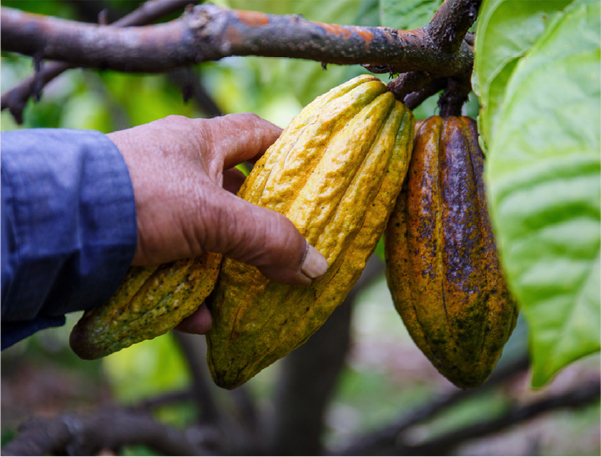
Consumers are looking for authenticity and few things communicate it better than single‑origin chocolate with a clear purpose. Peru offers cocoa with a unique identity and globally recognized varieties such as:
- Criollo cocoa
- Forastero cocoa
- Trinitario cocoa
Working with Peruvian cocoa is more than just about quality; it also means supporting social impact and long‑term sustainability for cocoa‑growing communities. At Machu Picchu Foods, we connect global brands with cocoa sourced from regions such as Piura, Ucayali, Cusco, Junín, and more, each with its own flavor profile and story.
5. Mini formats: smart, on‑the‑go indulgence
In a fast-paced market, portion-controlled snacks are gaining ground. Consumers want something tasty, convenient, and aligned with their healthy lifestyle. That’s where mini chocolate formats come in.
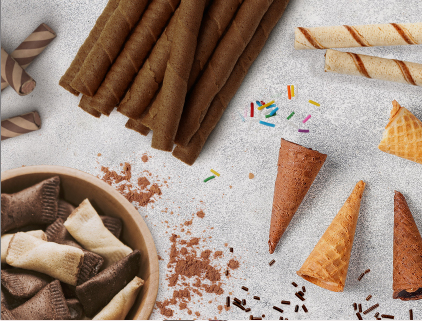
From mini cones to bonbons, wafers, or cups, these formats offer a multisensory experience with less quantity, less guilt and more frequent consumption. They are ideal for modern trade, vending machines and travel retail.
Want to see how we do it?
The future of chocolate is built today
Chocolate trends for 2026 reflect a more demanding and sophisticated industry. Success will depend on the ability to integrate:
- Ingredients with verifiable origin.
- Processes such as bean‑to‑bar.
- Technologies that ensure quality and scalability.
- Flexible production models.
- Strategic relationships between brands and manufacturers.
The decisions made today will define the brands ready for the consumer of the future.
& NEWS